That quiet stretch is where a lot of Grand Strand trades lose work they already earned a shot at. The fix is not a harder sell. It is a short, repeatable follow up after the estimate so the job does not die in someone else's inbox.
This post picks up where our note on turning website quote requests into booked jobs leaves off. That piece is about getting the visit on the calendar. This one is about what you do after you leave the driveway.
Most homeowners are not trying to waste your time. They are juggling a few bids, waiting on a spouse, watching a storm week on the radar, or deciding whether the kitchen redo can wait until after the holidays. On the Strand that mix is common: snowbirds in and out, short term rental turnovers, and weather that pushes outdoor work around.
When you leave the estimate and then go silent yourself, you make the decision harder. They forget the details or lose your email. They remember the painter who texted a clear summary more than the one who only said "let me know." A quiet lead is not lost yet. It is a lead with no next step.
Send a short written summary the same day you walked the job, while the visit is still fresh.
Keep it plain:
Example text or email:
"Hi Dana, thanks for walking the exterior with me today at the Carolina Forest house. Scope is prep and two coats on the siding and trim, including the garage door frames. Price is $X and holds through Friday the 21st. I can start the week of the 24th if that still works. Reply here or call me if you want that week held."
That message gives them something to forward to a spouse, and it gives you a clean record of what you promised. If you use photos of past work, attach one that matches the job. Our post on project photo pages for Grand Strand trades covers how to keep those examples useful.
Follow up fails when the open bids live only in your head. After a busy week of walkthroughs from Little River to Pawleys, you will not remember who heard from you and who did not.
Keep one simple list in a notes app, a sheet, or your CRM. For each open estimate, track name and phone, address or area, visit date, price and a one line scope, the date you sent the summary, the next follow up date, and status (waiting, booked, lost, or no answer).
Glance at that list every morning before the first stop so nobody falls off during a rush week in Murrells Inlet. If you already track where calls and forms come from, fold open estimates into the same monthly review using the habits in our lead tracking note for trades.
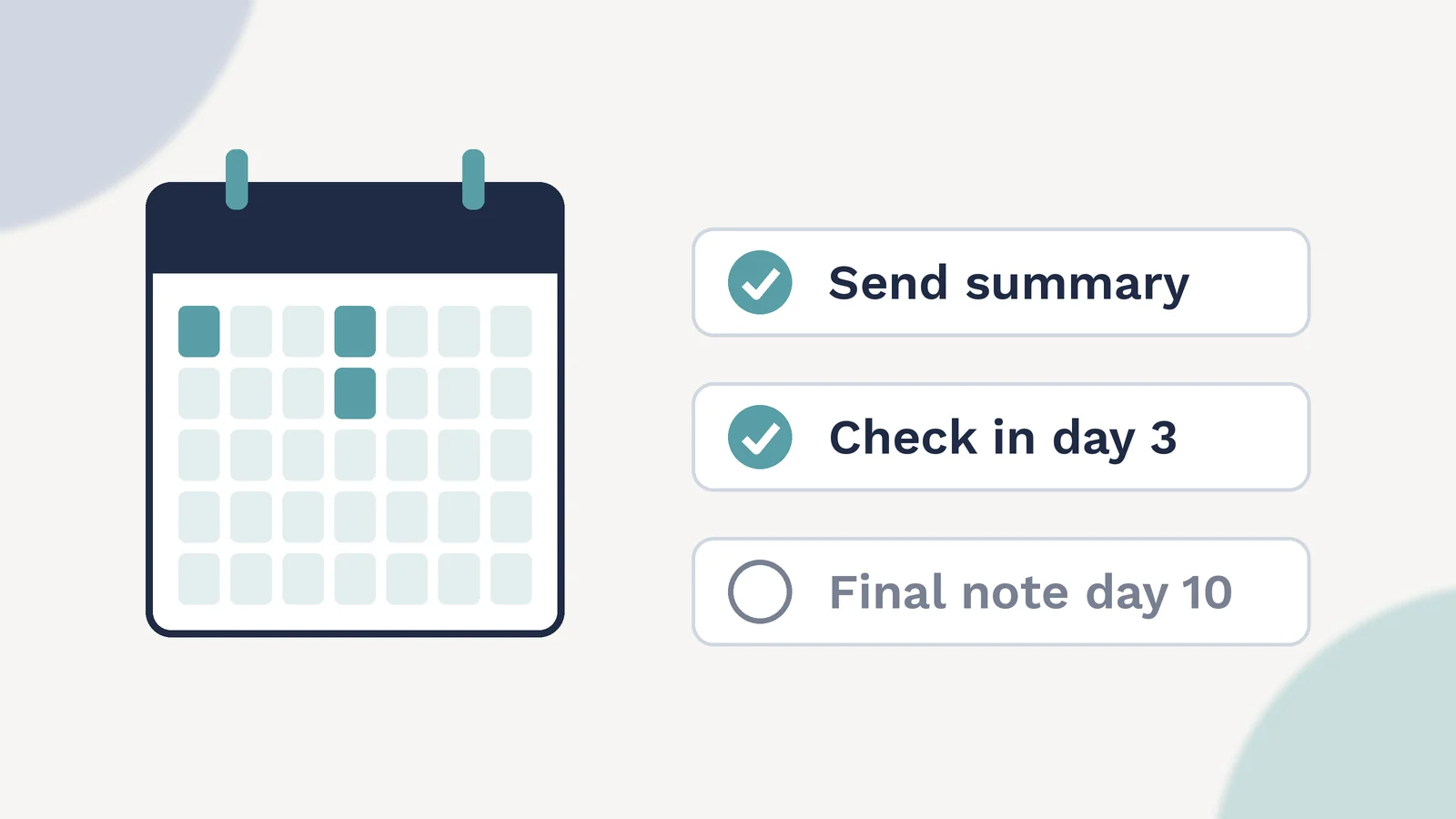
You do not need seven emails. Three touches after the visit cover most local service work.
Day 0: written summary. Covered above. This is the foundation.
Day 3: short check in. One or two sentences. Ask if they have questions, and repeat the next step.
"Hi Dana, checking in on the Carolina Forest exterior quote I sent Monday. Happy to walk through the prep notes or adjust the start week if your timeline shifted."
Day 10: final polite close. Thank them, leave the door open, and stop chasing that lead for now.
"Hi Dana, last note from me on the exterior quote. If you decide to move forward later this season, I am glad to revise the number if material costs change. Thanks again for the visit."
That last message ends the loop so you are not still pinging them in December, and it leaves a good last impression when a neighbor asks who painted the house next door. Shift the days after a tropical system, when many homeowners pause outdoor work for a week.
When they tell you they booked another crew, thank them and ask one calm question: what tipped the decision. Price, timing, a referral, or how clear the other quote was. Write the answer next to that lead on your list.
You are collecting patterns, not picking a fight. Slow replies point at your follow up. Start date complaints point at calendar and crew planning. Price alone means your next written summary should make the scope clearer than a cheaper bid. Never badmouth the other company on a coast this small.
In the day 0 summary, include how to book, what happens after they say yes, and what you need from them (gate code, HOA rules, pet notes, color choices).
If your process needs a signed proposal, send it with the summary, not three days later. Every extra step after the visit is another place the job can stall.
For bigger remodel or build quotes, offer a fifteen minute call to walk the line items and put two time options in the message.
Pushy follow up sounds like a script. Useful follow up sounds like the person who did the walkthrough. Use their name and the job address, reference something from the visit, offer help with the decision, and stop after the final close. Do not blast the same note to every lead, guilt them about your schedule, cut the price on the first check in without a reason, or keep texting after they asked for time.
Homeowners on the Grand Strand hire people they trust to show up and finish. Clear, calm follow up on a schedule is part of that trust.
A starting rhythm that survives a busy season:
That is enough. Templates and tools can come later. The habit is what books the work you already walked.
If your crew gets plenty of estimate visits but too many go quiet after you leave, we can help you set a simple follow up flow that matches how you already answer the phone and run the calendar. Reach out through our contact page and we will look at the path from walkthrough to yes with you.